
Business
Fox News Explained: Coverage, Influence, and Reach


Love it or criticize it, fox news is impossible to ignore. It has shaped political conversations, influenced public opinion, and become one of the most recognizable names in global media. For millions of viewers, fox news is a daily habit. For others, it is a constant topic of debate. Either way, its presence in modern news culture is undeniable.
This article takes a balanced, human look at fox news. Not a sales pitch. Not an attack. Just a clear explanation of how it works, what it covers, why it attracts such a loyal audience, and how it has managed to remain influential for decades. If you have ever wondered why fox news holds so much power in the media world, this guide will give you clarity.
What Is Fox News?
Fox News is a major American cable news network known for its political commentary, breaking news coverage, and opinion-driven programming. Since its launch, fox news has positioned itself as an alternative voice in the news industry, often challenging mainstream narratives.
The channel combines traditional journalism with opinion shows, panel discussions, and prime-time commentary. This blend is one of the reasons fox news stands out from other news networks.
Unlike purely neutral news outlets, fox news openly embraces perspective-driven analysis, especially during evening programming. That approach has attracted a specific audience while also generating strong reactions from critics.
The Core Mission of Fox News
Fox news often emphasizes values such as free speech, patriotism, and skepticism toward government power. Supporters argue that the network gives voice to viewpoints they feel are ignored elsewhere.
At the same time, fox news presents itself as a watchdog over political institutions, media elites, and cultural trends. Whether viewers agree or disagree, the channel’s mission is clear: challenge dominant narratives and offer an alternative interpretation of current events.
Types of Coverage on Fox News
Fox news is not just one type of program. Its content spans several categories, each designed to serve a different audience need.

Breaking News Coverage
Fox news provides live coverage of major events such as elections, international conflicts, natural disasters, and press conferences. These segments follow a traditional newsroom format, featuring anchors, correspondents, and on-the-ground reporting.
Political Commentary and Analysis
Political analysis is where fox news is most recognizable. Hosts discuss policies, elections, government decisions, and political personalities with strong opinions and direct language.
This style appeals to viewers who want interpretation, not just raw facts.
Opinion-Based Programming
Opinion shows dominate prime-time slots. These programs are personality-driven and focus heavily on commentary rather than straight reporting.
Viewers tune in not just for information, but for perspective and argument.
Cultural and Social Topics
Fox news also covers social issues, media trends, education debates, and cultural shifts. These segments often connect politics with everyday life, making abstract policies feel personal.
Why Fox News Has Such a Loyal Audience
Audience loyalty does not happen by accident. Fox news has built trust with viewers by consistently delivering content that aligns with their expectations.
Clear Editorial Identity
Fox news does not try to be everything to everyone. Its identity is well-defined, which helps viewers know exactly what they are getting.
Strong On-Air Personalities
Charismatic hosts play a major role in audience retention. Viewers often form personal connections with commentators whose views mirror their own beliefs.
Emotional Engagement
Fox news content frequently taps into emotions such as concern, pride, frustration, or urgency. Emotional engagement keeps viewers coming back.
Repetition and Familiarity
Consistent messaging and recurring themes reinforce viewer loyalty. Over time, fox news becomes a trusted voice rather than just a channel.
Fox News and Political Influence
The influence of fox news extends far beyond television screens. Its commentary often shapes political conversations, voter opinions, and policy debates.
Impact on Voters
Many viewers rely on fox news as their primary news source. This means the channel plays a significant role in shaping political perceptions and voting behavior.
Influence on Politicians
Political figures often respond directly to fox news coverage. Some appear frequently on the channel, understanding its reach and audience impact.
Agenda Setting
Fox news has the power to elevate certain issues into national discussion. Topics covered heavily on the network often gain traction across other media platforms.
Criticism and Controversy Surrounding Fox News
With influence comes criticism. Fox news has faced ongoing scrutiny from journalists, academics, and political opponents.
Accusations of Bias
Critics argue that fox news favors a particular political ideology. Supporters counter that all media outlets have bias, and fox news is simply more transparent about it.
Fact-Checking Debates
Some critics question the accuracy of certain claims made during opinion segments. In response, fox news distinguishes between news reporting and commentary programming.
Polarization Concerns
Media polarization is a growing concern. Fox news is often cited as both a symptom and a driver of divided political discourse.
Fox News vs Other News Networks
Understanding fox news becomes easier when compared to other major networks.
| Aspect | Fox News | Other Major Networks |
|---|---|---|
| Editorial Tone | Opinion-driven | More neutral presentation |
| Prime-Time Focus | Commentary | News analysis |
| Audience Base | Ideologically loyal | Broad demographic |
| Content Style | Personality-led | Anchor-led |
| Viewer Engagement | High emotional appeal | Informational focus |
This contrast explains why fox news attracts a different audience than traditional broadcast news channels.
The Business Model Behind Fox News
Fox news is not just a media outlet. It is a business. Understanding its success requires looking at how it operates commercially.
Advertising Revenue
High ratings attract advertisers. Fox news consistently performs well in cable news viewership, especially during prime-time hours.
Brand Loyalty
Advertisers value loyal audiences. Fox news delivers viewers who watch regularly and engage deeply with content.
Multi-Platform Presence
Beyond television, fox news extends its reach through digital platforms, mobile apps, and social media. This multi-channel strategy keeps the brand visible.
Digital Expansion and Online Reach
Modern audiences consume news differently. Fox news has adapted by expanding into digital formats.
Website and Mobile Access
The fox news digital presence allows users to read articles, watch clips, and follow breaking news on demand.
Social Media Engagement
Short clips, headlines, and commentary circulate widely on social platforms, expanding reach beyond cable subscribers.
Video-First Strategy
Video remains central to fox news branding. Online users often consume content in bite-sized video segments.
Fox News and Media Trust
Trust in media has declined globally. Fox news navigates this challenge by reinforcing its relationship with viewers.
Transparency of Perspective
By openly presenting opinions, fox news avoids pretending to be completely neutral. Many viewers appreciate this honesty.
Consistent Messaging
Consistency builds trust. Viewers know what fox news stands for, even if they disagree.
Community Feeling
Fox news often frames its audience as part of a larger community. This sense of belonging strengthens viewer trust.
Cultural Impact of Fox News
Beyond politics, fox news has influenced American culture.
Language and Framing
Certain phrases, talking points, and narratives introduced on fox news often spread into wider public conversation.
Media Competition
Other networks adjust programming in response to fox news ratings success. This competitive pressure shapes the entire news industry.
Viewer Identity
For many, watching fox news is part of personal identity. It reflects values, beliefs, and worldview.
The Role of Fox News in Modern Democracy
Media plays a crucial role in democratic societies. Fox news contributes by encouraging political engagement, debate, and participation.
However, its strong perspective-driven approach also raises questions about balance, objectivity, and responsibility. These debates are ongoing and unlikely to disappear.
Who Watches Fox News?
Understanding the audience helps explain the channel’s influence.
Fox news viewers often include:
- Politically engaged adults
- Conservative-leaning audiences
- Viewers seeking opinion-based content
- People dissatisfied with mainstream media
This clear demographic focus contributes to strong ratings and loyalty.
Strengths That Keep Fox News Relevant
Despite criticism, fox news continues to thrive due to several strengths.
- Clear brand identity
- Strong personalities
- Loyal audience base
- High engagement levels
- Effective adaptation to digital media
These factors help fox news remain competitive in a crowded media environment.
Challenges Facing Fox News
No media organization is immune to challenges.
Fox news must navigate:
- Increasing media regulation scrutiny
- Growing audience fragmentation
- Competition from independent digital creators
- Shifting viewer habits among younger audiences
How fox news adapts will determine its future influence.
The Future of Fox News
The media landscape is changing rapidly. Fox news is likely to continue evolving by adjusting content formats, investing in digital platforms, and responding to audience feedback.
As long as political debate remains central to public life, fox news will likely maintain a significant role in shaping conversation.
Final Thoughts on Fox News
Fox news is not just a news channel. It is a powerful media force that reflects and influences modern political culture. Its coverage style, audience loyalty, and reach make it one of the most impactful networks in the world.
Whether you view fox news as a trusted source or a controversial outlet, understanding how it operates is essential for navigating today’s media environment. Media literacy starts with awareness.
If you have thoughts about fox news, its influence, or its role in shaping opinions, share your perspective. Conversations about media matter more than ever.


Business growth depends on more than attracting attention. Companies need systems that help them reach potential customers, communicate their value, and turn interest into meaningful inquiries or sales.
Digital marketing can support this process when it is built around clear objectives and useful customer experiences.
Understand the Target Audience
Before choosing marketing channels, a business should understand who it wants to reach.
Customer needs, location, buying behavior, questions, and common challenges can all influence marketing decisions.
A company serving local homeowners will have different priorities from a business selling software to international companies.
Understanding the audience helps businesses create more relevant content and avoid spending resources on channels that do not support their objectives.
Develop a Strong Online Foundation
A website should provide accurate information about the business and its services.
It should also make it easy for visitors to take the next step. Depending on the company, that could mean requesting a quote, scheduling an appointment, calling the business, or sending a message.
Mobile usability is particularly important because many people browse websites from smartphones.
Combine Different Marketing Channels
Businesses do not necessarily need to depend on one marketing channel.
Search engine optimization can support long-term visibility. Social media can help businesses communicate with existing and potential customers. Email marketing can support relationships with previous visitors and customers.
Paid advertising can also provide targeted exposure when managed carefully.
The right combination depends on the company’s goals and resources.
Create Content With a Purpose
Content should have a reason for existing.
An article might answer a customer question. A guide might explain a complicated process. A case study might show how a problem was approached.
Useful content can also help businesses demonstrate knowledge without relying on exaggerated claims.
Businesses should focus on accuracy, originality, and readability when developing articles and resources.
Improve Conversion Paths
Getting visitors to a website is only one part of digital marketing.
Businesses should also examine what happens after someone arrives.
Are service pages easy to understand? Is the contact form simple? Can visitors quickly find pricing or service information? Are there unnecessary steps before someone can make an inquiry?
Small improvements to these areas can make a website more useful.
Monitor Results
Digital marketing produces data that can help businesses make informed decisions.
Companies can review traffic sources, engagement, inquiries, conversions, and popular pages.
The purpose is not to collect as many numbers as possible. Instead, businesses should identify information that helps them understand customer behavior and improve their marketing.
Build for Long-Term Results
Sustainable growth generally requires consistency.
Businesses that publish useful content, maintain accurate information, improve their websites, and monitor results can gradually develop a stronger digital presence.
Grow Biz Lab provides practical digital marketing and business growth solutions for companies looking to improve their online visibility.
If you want more Info about improving your digital presence, you can explore Grow Biz Lab’s online resources and Visit site to learn about its business growth services.
A strong digital strategy is not simply about being visible. It is about making that visibility useful to the people a business wants to serve.

Business success is often measured through revenue, market share, customer growth, or profitability. While these metrics are important, sustainable success requires more than strong financial results. Organizations also need capable employees, effective systems, loyal customers, and leaders who can make responsible decisions. The discussion surrounding Lead Roedl provides an opportunity to examine the broader principles that contribute to sustainable organizational success.
A business may experience rapid growth, but if its internal systems cannot support that growth, problems can develop quickly. Effective leadership helps organizations build a stronger foundation.
Defining Sustainable Business Success
Sustainable success means creating results that can continue over the long term. It involves balancing immediate business needs with future objectives.
For example, a company may increase profits by reducing employee development expenses. While this could improve short-term numbers, it may reduce skills and engagement over time.
Sustainable leadership considers these broader consequences Lead Roedl. Leaders evaluate how decisions affect employees, customers, operations, and future opportunities.
Developing a Strong Organizational Vision
A clear vision gives employees direction. Without a shared purpose, departments and individuals may pursue different priorities.
Leaders should explain what the organization wants to accomplish and why that goal matters. A strong vision can help employees understand how their work contributes to a larger objective.
The vision should also be supported by practical goals. Employees need clear expectations that translate broad ambitions into measurable actions.
Building Trust With Employees
Trust is essential for long-term organizational stability.
Employees are more likely to remain engaged when they believe leadership is honest, fair, and consistent. Leaders build trust by communicating openly, recognizing contributions, and taking responsibility when things go wrong.
Trust also makes it easier to manage difficult periods. When employees have confidence in leadership, they may be more willing to support necessary changes.
Creating a Culture of Accountability
A strong organization needs accountability at every level. Employees should understand their responsibilities and the standards expected of them.
However, accountability should not mean creating a culture based entirely on punishment.
Effective leaders distinguish between mistakes that occur during genuine effort and behavior that demonstrates negligence. This balanced approach encourages responsibility while still allowing employees to learn.
Leaders should also hold themselves accountable. Employees notice when management expects standards from others but does not follow the same principles.
Encouraging Continuous Improvement
Successful organizations rarely remain successful by doing exactly the same thing forever.
Continuous improvement encourages teams to evaluate existing processes and search for better approaches.
This could involve simplifying administrative tasks, improving customer support, reducing unnecessary expenses, or updating internal technology.
Small improvements can accumulate over time and produce meaningful results.
Understanding the Importance of Customers
Customers are central to business sustainability. Without satisfied customers, even efficient internal operations may not produce lasting success.
Leaders should encourage teams to understand customer expectations and respond to feedback.
Customer relationships are strengthened when companies deliver consistent quality and address problems professionally.
Listening is especially important because customer needs can change. What customers value today may not be as important tomorrow.
Investing in Leadership Development
Leadership should not depend entirely on a small group of executives. Organizations can become more resilient by developing leadership skills throughout the workforce.
Employees can be introduced to leadership responsibilities through mentoring, project ownership, team coordination, and professional development.
This creates opportunities for emerging leaders to gain practical experience.
Developing internal leadership talent can also make succession planning easier. When experienced managers leave, organizations are better prepared if capable employees are already developing the skills required for larger responsibilities.
Making Ethical Decisions
Long-term success depends heavily on reputation. Customers, employees, and business partners want to work with organizations they can trust.
Leaders should therefore consider ethical implications when making important decisions.
Short-term opportunities that create serious reputational or operational risks may not be worthwhile. Responsible leadership considers both the benefits and potential consequences of business actions.
Ethical behavior should also be reflected in everyday organizational practices rather than treated as a separate initiative.
Balancing Technology and Human Judgment
Technology can improve efficiency and provide valuable information, but leadership still requires human judgment.
Automated systems can process data, while leaders must interpret that information within the context of business objectives, employee needs, and customer expectations.
Organizations that combine technology with thoughtful decision-making can gain significant advantages without losing the human element of leadership.
Preparing for Uncertainty
Uncertainty is unavoidable. Economic changes, competitive pressure, technological developments, and unexpected events can all affect businesses.
Prepared organizations do not assume that everything will remain stable. They identify potential risks, develop contingency plans, and maintain flexibility.
Leaders can also prepare employees by creating a culture where learning and adaptation are normal.
The Broader Meaning of Leadership
The principles represented by Lead Roedl can be considered within a wider understanding of leadership as a long-term responsibility.
Leadership is not simply about reaching quarterly targets. It involves creating systems, developing people, building trust, and making decisions that support the organization’s future.
Strong leaders understand that sustainable success requires patience. Some investments, particularly employee development and cultural improvement, may not produce immediate results but can become extremely valuable over time.
Conclusion
Sustainable business success depends on more than financial performance. Organizations need strong leadership, capable employees, satisfied customers, ethical decision-making, continuous improvement, and the ability to adapt.
The ideas surrounding Lead Roedl highlight the importance of looking at leadership as a complete organizational discipline rather than simply a management function.
When leaders create a clear vision, invest in their teams, encourage accountability, listen to customers, and prepare for future challenges, they build organizations that are better equipped to succeed over the long term.
In a constantly changing business environment, sustainable leadership provides the stability and direction organizations need to keep moving forward.

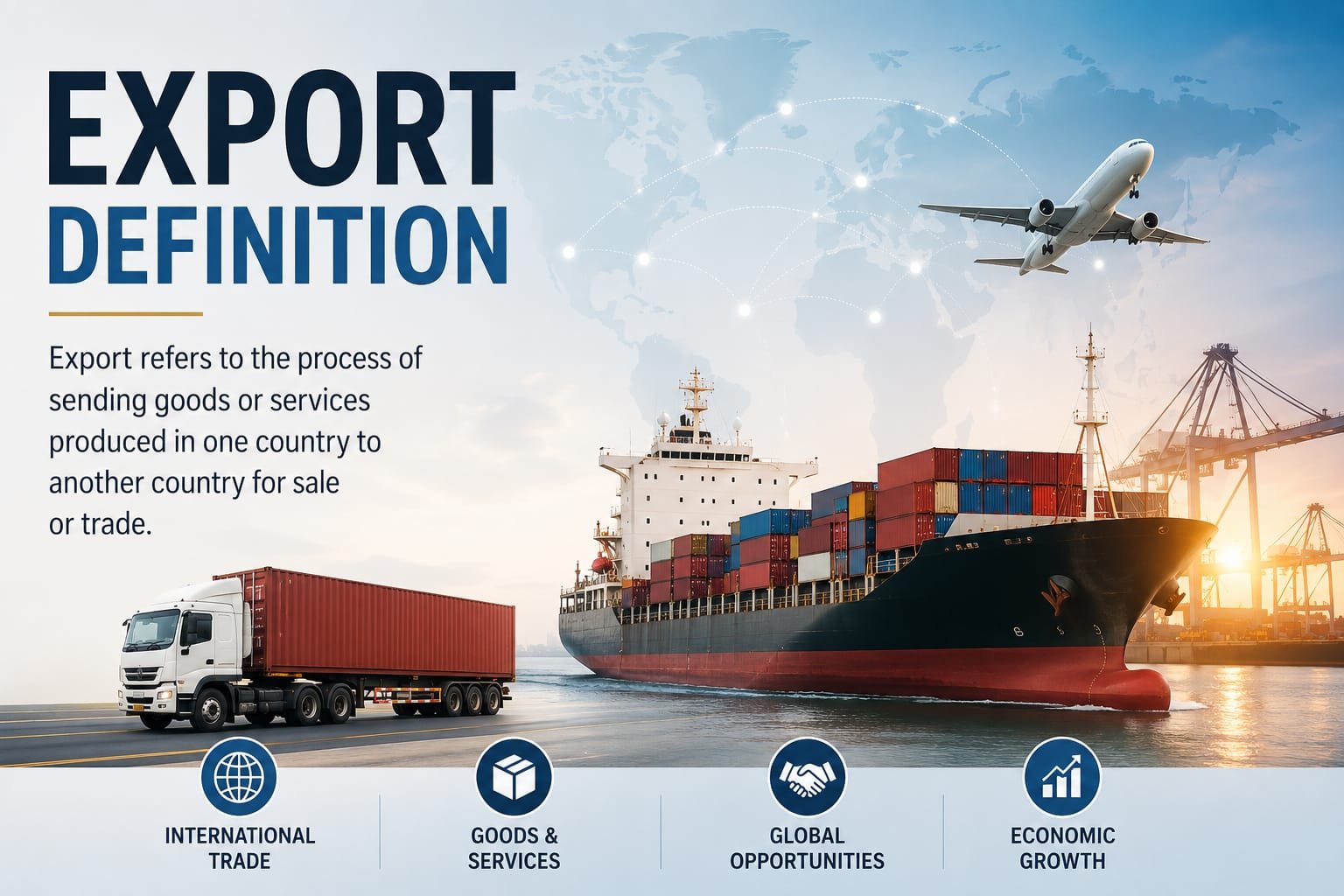
Understanding the export definition is important for anyone learning about international trade, business, economics, or how products and services move between countries.
In simple terms, an export is a product or service sold or supplied from one country to customers in another country. Exports allow businesses to reach international markets, earn revenue from overseas customers, and contribute to a country’s overall trade activity.
This guide explains what export means, how exporting works, common examples, the difference between exports and imports, and why exports matter to businesses and economies.
What Is the Export Definition?
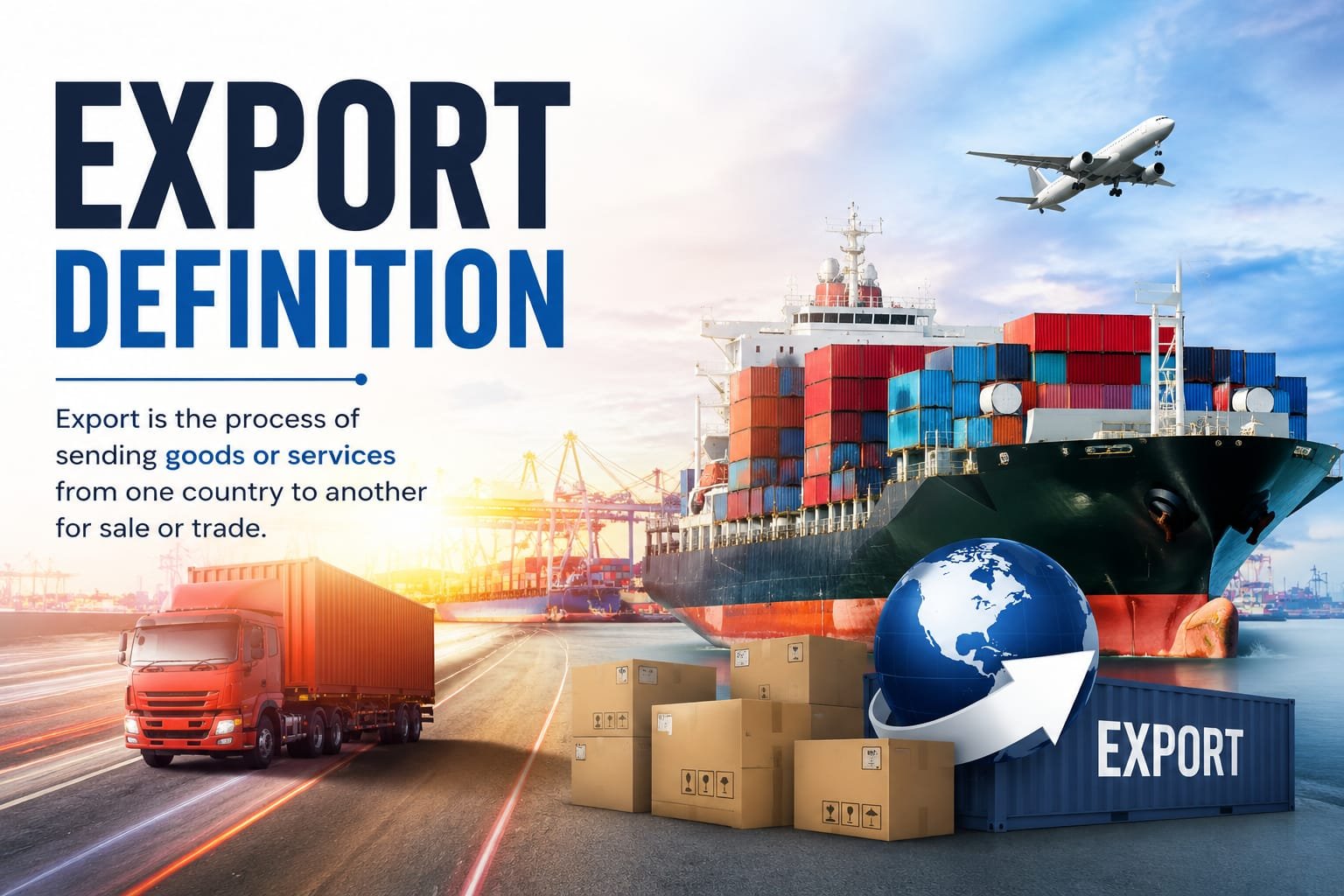
The basic export definition is the sale or transfer of goods or services from one country to another.
For example, if a company in Pakistan sells clothing to a customer in the United Kingdom, those clothing products are considered exports from Pakistan. From the UK’s perspective, the same products are imports.
Exports can involve physical products such export definition as food, clothing, machinery, electronics, and raw materials. They can also include services such as software development, consulting, design, education, and professional services delivered to customers in another country.
Export Meaning in Simple Words
An easy way to understand export is:
Export means selling or sending goods or services from one country to another for international customers or business purposes.
The term can describe both the activity of sending products abroad and the products or services themselves.
How Does Exporting Work?
Exporting usually involves several steps between a export definition seller and an overseas buyer. The exact process depends on the countries involved, the type of product, and the agreement between the businesses.
A typical export transaction may include:
- Finding an international buyer
A business identifies a customer, distributor, retailer, or commercial partner in another country. - Agreeing on the sale
The seller and buyer agree on the product, quantity, price, payment terms, and delivery arrangements. - Preparing the goods
The exporter prepares, packages, labels, and documents the products according to applicable requirements. - Arranging transportation
The goods are transported by road, rail, air, or sea, depending on the destination and product. - Completing customs requirements
Export documentation and customs procedures are handled before the goods leave the country. - Delivering the shipment
The products reach the buyer according to the agreed delivery terms.
Not every export transaction looks exactly the same. Regulations, documentation, taxes, licensing requirements, and shipping procedures can vary significantly by country and product.
Examples of Exports
Exports can be found across almost every part of the global economy.
| Export Category | Example |
|---|---|
| Agriculture | Rice, fruits, vegetables, cotton |
| Textiles | Clothing, fabric, home textiles |
| Manufacturing | Machinery, equipment, automotive parts |
| Technology | Software and digital services |
| Energy | Petroleum products and other energy commodities |
| Food products | Processed foods and packaged goods |
| Professional services | Consulting, design, accounting, and development services |
For instance, a manufacturer that sells machinery export definition to a company overseas is exporting a physical product. A software company providing a paid service to a customer located abroad may also be participating in international trade.
Goods Exports vs. Service Exports
Exports are not limited to physical products.
Goods Exports
Goods exports involve tangible products that export definition can be manufactured, packaged, transported, and delivered.
Examples include:
- Clothing
- Agricultural products
- Electronics
- Furniture
- Machinery
- Raw materials
- Processed foods
Service Exports
A service can also be considered an export when it is supplied internationally.
Examples include:
- Software development
- Graphic design
- Consulting
- Business services
- Engineering services
- Online professional services
This distinction is useful because modern international export definition trade includes both physical merchandise and increasingly important service-based activities.
Export vs. Import
Export and import are closely related but describe export definition opposite sides of an international transaction.
| Export | Import |
|---|---|
| Goods or services leave a country for an overseas customer | Goods or services enter a country from an overseas seller |
| The seller’s country records the transaction as an export | The buyer’s country records it as an import |
| Usually associated with selling to foreign markets | Usually associated with purchasing from foreign markets |
Simple Example
Imagine a business in Country A sells $10,000 worth of furniture to a business in Country B.
- For Country A, the furniture is an export.
- For Country B, the furniture is an import.
The same international transaction can therefore be described as an export and an import depending on which country’s perspective is being used.
Why Are Exports Important?
Exports play an important role in international business and national economies.
1. They Help Businesses Reach New Markets
Selling internationally gives businesses access to customers beyond their domestic market. This can create opportunities for companies that have products or services with demand in other countries.
2. They Can Increase Business Revenue
International customers can provide an additional source of sales. For some companies, overseas markets become an important part of their overall business strategy.
3. They Support International Trade
Exports are one of the fundamental components of international trade. Countries exchange products and services because different regions have different resources, industries, skills, and production capabilities.
4. They Can Support Employment
Businesses involved in manufacturing, agriculture, logistics, technology, and other export-related activities may create employment directly or indirectly.
5. They Contribute to Foreign Trade Earnings
When businesses sell goods and services internationally, payments from overseas customers can contribute to a country’s foreign exchange earnings and broader trade activity.
What Is an Exporter?
An exporter is a person or business that sells or sends goods or services to customers in another country.
An exporter could be:
- A small manufacturer
- A farmer or agricultural business
- A clothing company
- A technology company
- A trading company
- A large multinational corporation
- A professional service provider
The responsibilities of an exporter depend on the transaction. They may include preparing products, maintaining required documentation, arranging transportation, complying with regulations, and communicating with international buyers.
What Is an Export Market?
An export market is a foreign country or group of international customers where a business sells its products or services.
For example, a company based in one country might export definition identify several export markets in Asia, Europe, North America, or the Middle East.
Choosing an export market can involve considering factors such as:
- Customer demand
- Competition
- Shipping costs
- Local regulations
- Currency considerations
- Market size
- Product requirements
- Business risks
A business should research its target market carefully before committing significant resources to international expansion.
Common Export Documents
International shipments often require documentation. The exact documents depend on the product, destination, transportation method, and regulations involved.
Common examples may include:
- Commercial invoice
- Packing list
- Shipping documents
- Certificate of origin
- Export declarations
- Product-specific certificates or permits
Exporters should check the requirements of both the export definition country of export and the destination country rather than assuming that every shipment follows the same process.
Direct and Indirect Exporting
Businesses can enter international markets in different ways.
Direct Exporting
With direct exporting, a business sells to an overseas export definition customer or buyer more directly. This can provide greater control over the international sales relationship, although it may also require more knowledge of foreign markets and trade procedures.
Indirect Exporting
With indirect exporting, a business may work through an intermediary, such as a trading company or distributor, that handles some aspects of reaching international customers.
The appropriate approach depends on the company’s resources, experience, products, and international strategy.
Exporting and the Economy
At the national level, exports are an important part of economic activity. Countries often develop industries that can compete in international markets based on their resources, skills, infrastructure, technology, and production capabilities.
A country’s export mix can include agricultural export definition goods, manufactured products, energy resources, technology, and services.
However, a high level of exports alone does not automatically mean an economy is performing well. Exports are only one part of a much larger economic picture that also includes imports, domestic production, investment, employment, consumption, productivity, and other factors.
What Is an Export Business?
An export business focuses on selling export definition products or services to customers in foreign markets.
A business considering exporting should think about:
- Product suitability — Is there demand for the product internationally?
- Target market — Which countries are suitable potential markets?
- Pricing — Can the business remain competitive after transportation and other costs?
- Regulations — Are there restrictions, standards, or certifications?
- Logistics — How will the product reach the customer?
- Payment — What payment method and terms will be used?
- Customer support — How will international customers be served after the sale?
Good preparation can help businesses understand the practical challenges of selling internationally.
Export Definition in Different Contexts
The word “export” can have slightly different meanings depending on the context.
In Business
Export generally refers to selling goods or services to customers in another country.
In Economics
Exports are goods and services produced domestically and sold to buyers in foreign markets. They form part of a country’s international trade and economic accounts.
In Technology
“Export” can also mean converting or transferring information from one software application, file format, or system into another.
For example, a user might export a document as a PDF or export data from a spreadsheet.
Therefore, the intended meaning of the word depends on the context in which it is used.
Export Meaning in Technology
Although international trade is the most common business meaning, “export” is also widely used in computing.
For example:
- Export a spreadsheet as a PDF.
- Export photos from an editing application.
- Export database records into another format.
- Export a video in a specific file type.
In these situations, export means moving or converting information from one system, application, or format into another.
Frequently Asked Questions About Export Definition
What is the simple definition of export?
Export means selling, supplying, or sending goods export definition or services from one country to customers or businesses in another country.
What is an example of an export?
If a company in Pakistan sells textiles to a buyer in another country, those textiles are exports from Pakistan.
What is the difference between export and import?
An export is a good or service sold or supplied to another export definition country, while an import is a good or service purchased or received from another country.
Can services be exported?
Yes. Services such as software development, consulting, design, engineering, and other professional services can be supplied to customers in foreign markets.
Who is an exporter?
An exporter is a person, company, or organization that sells or supplies goods or services to an international customer.
Why are exports important?
Exports allow businesses to access international markets and are an important part of international trade and economic activity.
What are common examples of exported goods?
Common examples include agricultural products, clothing, textiles, machinery, electronics, food products, and raw materials.
Does export always mean a physical product?
No. In international trade, services can also be exported. In technology, the word export can refer to transferring data or files from one format or system to another.
Conclusion
The export definition is straightforward: an export is a good or service sold or supplied from one country to a customer or business in another country. Exports are a fundamental part of international trade and help businesses reach customers beyond their domestic markets.
From agricultural products and textiles to software and professional services, exporting covers a broad range of economic activity. Understanding the difference between export definition exports and imports, the basic export process, and the role of exporters makes it easier to understand how global trade works.
Whether you are a student learning economics, a business owner exploring international markets, or simply looking for the meaning of the term, understanding exports provides a useful foundation for learning about global commerce.

Digital Marketing Strategies That Support Sustainable Business Growth

Noah Kahan Merch A Complete Guide to Official Merchandise and Fan Favorites

Mansoor Delane Impressive Career, College Journey & NFL Future

Perdita Weeks Disability: Facts, Rumors, and the Truth

Chris Rea’s Music Career: Hits, Albums, Legacy

Movierulz 2025 Explained: Risks, Safety, and Legality
-
 Business10 months ago
Perdita Weeks Disability: Facts, Rumors, and the Truth
-
Business10 months ago
Chris Rea’s Music Career: Hits, Albums, Legacy
-
Business11 months ago
Movierulz 2025 Explained: Risks, Safety, and Legality
-

 Celebrity9 months ago
Jeffrey Alan Marks Ross Cassidy Split Explained
-

 game8 months ago
BIOS PS2: How It Powers PS2 Emulation
-

 Celebrity10 months ago
Arlene Silver Net Worth in 2024: Career and Earnings
-
 Business10 months ago
Doge HHS Migrant Housing Contract: What It Means Now
-

 Celebrity10 months ago
Melissa Esplana: Life, Career, and Personal Story