
Business
10 Powerful Team Work Quotes Every Leader Should Know

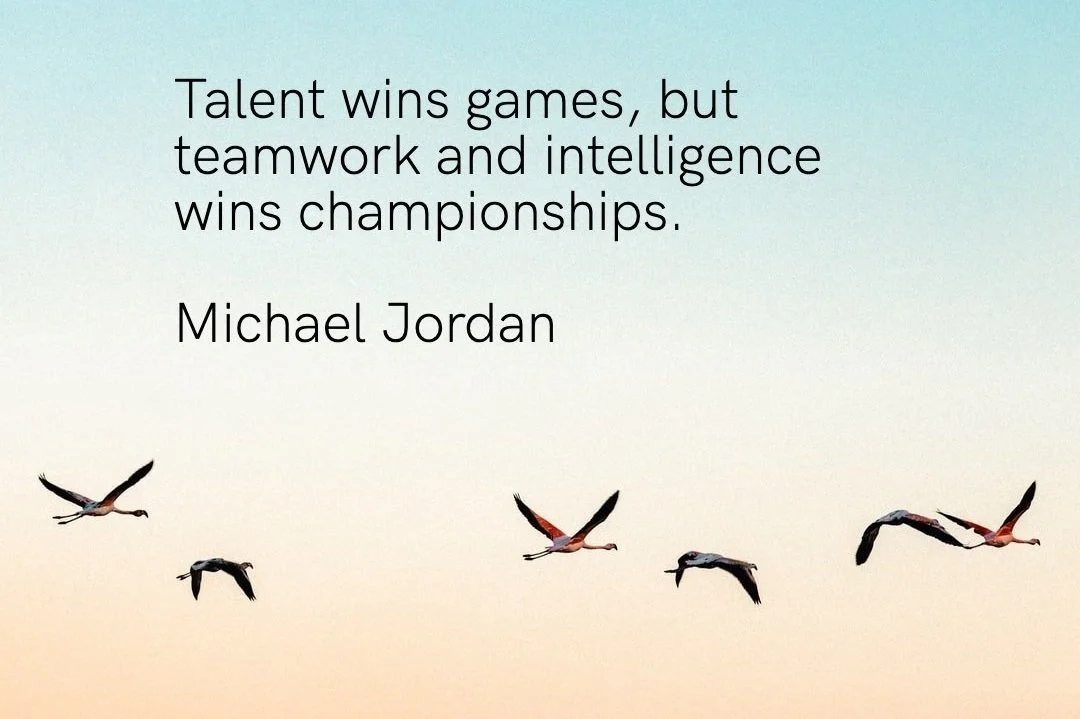
10 Powerful Team Work Quotes Every Leader Should Know
In today’s fast-paced business world, success rarely comes from individual effort alone. High-performing organizations thrive on collaboration, communication, and shared vision. That’s why team work quotes are more than just inspirational sayings—they’re reminders of what makes teams successful.
Leaders who embrace teamwork understand the value of guiding, motivating, and uniting their teams. The right words, shared at the right time, can inspire action, build trust, and improve morale. In this article, we’ll explore 10 powerful team work quotes that every leader should know, unpack their meaning, and show how they can be applied in real-world business settings.
Why Team Work Quotes Matter
Quotes have a unique ability to encapsulate deep wisdom in just a few words. Team work quotes motivate, clarify values, and reinforce cultural norms within a company. For leaders, they provide quick, memorable ways to convey essential messages about cooperation, responsibility, and mutual support.
Benefits of Using Team Work Quotes in Leadership:
- Inspire Collaboration: Encourages employees to work together toward shared goals.
- Boost Morale: A well-timed quote can lift spirits during challenging projects.
- Communicate Vision: Reinforces organizational culture and expectations.
- Foster Accountability: Reminds teams of their collective responsibilities.
- Encourage Reflection: Prompts team members to think about their role in achieving success.
By integrating team work quotes into meetings, presentations, or internal communications, leaders can reinforce these principles in a memorable and impactful way.
1. “Alone we can do so little; together we can do so much.” – Helen Keller
This classic quote emphasizes the exponential power of teamwork. No individual can accomplish everything alone, but collaboration multiplies impact.
Application:
- Encourage cross-functional collaboration during projects.
- Use the quote in team kick-off meetings to set the tone for joint effort.
2. “Coming together is a beginning, staying together is progress, and working together is success.” – Henry Ford
Ford’s words illustrate the stages of teamwork—from formation to cohesion to achievement.
Application:
- Highlight the importance of maintaining relationships, not just initiating projects.
- Use it during team-building sessions to emphasize commitment.
3. “None of us is as smart as all of us.” – Ken Blanchard
This quote reminds leaders that collective intelligence surpasses individual knowledge. Diverse perspectives lead to stronger solutions.
Application:
- Encourage brainstorming sessions that leverage multiple viewpoints.
- Remind team members to value input from all colleagues.
4. “It is literally true that you can succeed best and quickest by helping others to succeed.” – Napolean Hill
Hill emphasizes that supporting teammates is not just altruistic—it’s strategic. Mutual support accelerates individual and team growth.
Application:
- Create mentorship programs within teams.
- Reward employees who assist others in achieving goals.
5. “The strength of the team is each individual member. The strength of each member is the team.” – Phil Jackson
Jackson’s quote highlights the interdependence between individuals and the team. Personal development strengthens collective performance.
Application:
- Encourage continuous learning for individual skill growth.
- Show how each role contributes to overall success.
6. “Great things in business are never done by one person; they’re done by a team of people.” – Steve Jobs
Jobs reinforces that organizational success is the result of collaboration and shared responsibility, not solo effort.
Application:
- Use in presentations to emphasize collaboration in strategic initiatives.
- Inspire employees to contribute beyond their individual roles.
7. “Teamwork is the secret that makes common people achieve uncommon results.” – Ifeanyi Enoch Onuoha
This quote celebrates the transformative potential of teamwork. Ordinary individuals achieve extraordinary results when they collaborate effectively.
Application:
- Share in team meetings to motivate employees to embrace teamwork.
- Recognize collaborative achievements publicly to reinforce the message.
8. “Individually, we are one drop. Together, we are an ocean.” – Ryunosuke Satoro
Satoro’s metaphor beautifully captures the concept that unity creates scale and power beyond what individuals can achieve alone.
Application:
- Visualize collective progress in team dashboards or metrics.
- Use in corporate newsletters to remind teams of their shared goals.
9. “The way a team plays as a whole determines its success.” – Babe Ruth
Babe Ruth points out that individual talent is secondary to cohesive teamwork. Coordination and cooperation are key drivers of outcomes.
Application:
- Highlight this quote in performance reviews or team retrospectives.
- Encourage synergy rather than competition among team members.
10. “Collaboration allows us to know more than we are capable of knowing by ourselves.” – Paul Solarz
Solarz emphasizes the knowledge and innovation gained through collective effort. Collaboration expands learning and problem-solving capacity.
Application:
- Foster environments where knowledge sharing is rewarded.
- Promote team projects to solve complex challenges collaboratively.
How Leaders Can Use Team Work Quotes Effectively
- Inspire Meetings: Start weekly meetings with a quote to set a collaborative tone.
- Reinforce Values: Integrate quotes into company newsletters, emails, or internal platforms.
- Motivate During Challenges: Use quotes to remind teams of the power of working together during tough projects.
- Encourage Reflection: Ask team members to interpret quotes and relate them to daily work.
- Combine with Action Plans: Pair quotes with actionable strategies to reinforce practical application.
Table: Applying Team Work Quotes to Leadership Strategies
| Quote Source | Leadership Insight | Practical Action for Teams |
|---|---|---|
| Helen Keller | Collaboration multiplies impact | Promote cross-functional projects |
| Henry Ford | Cohesion leads to success | Conduct team-building exercises |
| Ken Blanchard | Collective intelligence surpasses solo | Organize group brainstorming sessions |
| Steve Jobs | Shared responsibility drives results | Encourage joint ownership of initiatives |
| Ryunosuke Satoro | Unity creates scale | Celebrate milestones collectively |
Conclusion
Team work quotes are far more than motivational words—they are tools that guide, inspire, and unite teams. Leaders who understand the value of collaboration and consistently reinforce it can create a culture where cooperation drives results.
The 10 quotes outlined in this article provide timeless wisdom that can be applied in real-world business contexts. From enhancing productivity to fostering innovation, these quotes remind us that the true power of any organization lies in the collective effort of its people.
Leaders who leverage team work quotes strategically can inspire action, boost morale, and build stronger, more cohesive teams. Start using these quotes today to reinforce collaboration and witness the transformative effect on your team’s performance.



Business growth depends on more than attracting attention. Companies need systems that help them reach potential customers, communicate their value, and turn interest into meaningful inquiries or sales.
Digital marketing can support this process when it is built around clear objectives and useful customer experiences.
Understand the Target Audience
Before choosing marketing channels, a business should understand who it wants to reach.
Customer needs, location, buying behavior, questions, and common challenges can all influence marketing decisions.
A company serving local homeowners will have different priorities from a business selling software to international companies.
Understanding the audience helps businesses create more relevant content and avoid spending resources on channels that do not support their objectives.
Develop a Strong Online Foundation
A website should provide accurate information about the business and its services.
It should also make it easy for visitors to take the next step. Depending on the company, that could mean requesting a quote, scheduling an appointment, calling the business, or sending a message.
Mobile usability is particularly important because many people browse websites from smartphones.
Combine Different Marketing Channels
Businesses do not necessarily need to depend on one marketing channel.
Search engine optimization can support long-term visibility. Social media can help businesses communicate with existing and potential customers. Email marketing can support relationships with previous visitors and customers.
Paid advertising can also provide targeted exposure when managed carefully.
The right combination depends on the company’s goals and resources.
Create Content With a Purpose
Content should have a reason for existing.
An article might answer a customer question. A guide might explain a complicated process. A case study might show how a problem was approached.
Useful content can also help businesses demonstrate knowledge without relying on exaggerated claims.
Businesses should focus on accuracy, originality, and readability when developing articles and resources.
Improve Conversion Paths
Getting visitors to a website is only one part of digital marketing.
Businesses should also examine what happens after someone arrives.
Are service pages easy to understand? Is the contact form simple? Can visitors quickly find pricing or service information? Are there unnecessary steps before someone can make an inquiry?
Small improvements to these areas can make a website more useful.
Monitor Results
Digital marketing produces data that can help businesses make informed decisions.
Companies can review traffic sources, engagement, inquiries, conversions, and popular pages.
The purpose is not to collect as many numbers as possible. Instead, businesses should identify information that helps them understand customer behavior and improve their marketing.
Build for Long-Term Results
Sustainable growth generally requires consistency.
Businesses that publish useful content, maintain accurate information, improve their websites, and monitor results can gradually develop a stronger digital presence.
Grow Biz Lab provides practical digital marketing and business growth solutions for companies looking to improve their online visibility.
If you want more Info about improving your digital presence, you can explore Grow Biz Lab’s online resources and Visit site to learn about its business growth services.
A strong digital strategy is not simply about being visible. It is about making that visibility useful to the people a business wants to serve.


For readers looking for current news, analysis, entertainment coverage, business stories, technology updates, and other topics, newsweek com is a search phrase that can point toward the online home of Newsweek. The publication has a long history in journalism and now provides its content primarily through its digital platform.
Understanding what Newsweek.com offers can help readers find relevant stories more efficiently, identify different types of coverage, and understand how the website is organized.
This guide explains what readers can expect newsweek com from the Newsweek website, the major topics it covers, how to navigate its content, and what to consider when using online news sources.
What Is Newsweek.com?
Newsweek com is the digital website associated with Newsweek, an established news magazine and media publication. Its online platform publishes articles across a broad range of subjects, allowing readers to access news and features without relying on a printed magazine.
The site covers both breaking developments and longer-form content. Depending on current events and editorial priorities, readers may encounter stories about politics, world affairs, business, technology, science, culture, entertainment, and lifestyle.
The search term newsweek com is often used by people who want to locate the publication’s website or find a particular story published there.
What Can You Find on Newsweek.com?
The website covers multiple categories, making it useful for readers with different interests.
Breaking and Current News
News websites are frequently used to follow developing stories. Newsweek’s digital platform publishes coverage of significant events and developments as they occur.
Current-news articles can include:
- National developments
- International events
- Business news
- Technology updates
- Social and cultural stories
- Major public events
Because breaking stories can change newsweek com quickly, readers should check publication and update times when researching an ongoing event.
Politics and Public Affairs
Political news is another major area of online news coverage. Articles can discuss elections, government decisions, public officials, legislation, political newsweek com developments, and international relations.
When reading political coverage, it is useful to distinguish newsweek com between straight reporting, analysis, commentary, and statements attributed to political figures or organizations.
Business and Economy
Readers interested in financial and economic developments can find stories covering companies, markets, industries, employment, consumer trends, and broader economic issues.
Business reporting can be particularly time-sensitive, so checking the date of publication is important when using an article for research.
Technology and Science
Technology has become an important part of modern Newsweek website news coverage. Digital publications commonly report on artificial intelligence, consumer technology, scientific discoveries, cybersecurity, space, and other emerging subjects.
These stories can help readers understand developments that may affect businesses, consumers, and society.
Entertainment and Culture
Newsweek.com also covers entertainment and cultural subjects. Depending on current events, readers may find stories involving movies, television, celebrities, music, books, and popular culture.
This type of content often attracts readers searching for information about current entertainment developments or public figures.
How to Navigate Newsweek.com
A large news website can contain thousands of articles. newsweek com Using a few simple search techniques can make finding information easier.
Use the Website’s Search Function
If you already know the subject or name associated with a story, searching for specific terms can be faster than browsing through categories.
For example, instead of searching for a broad phrase such as “latest news,” a reader might search for:
- A person’s name
- A company name
- A specific event
- A topic
- A distinctive phrase from a headline
Check the Publication Date
News can become outdated quickly. Always look at Newsweek website when an article was published or updated, especially when researching:
- Elections
- Financial markets
- Technology
- Weather
- Ongoing events
- Breaking news
An older article may still provide useful background information, but it should not automatically be treated as the latest update.
Read Beyond the Headline
Headlines are designed to summarize the main subject and attract attention, but the article itself provides important context.
Reading the full article can help clarify:
- What happened
- When it happened
- Who was involved
- What sources were cited
- Whether the information is confirmed or developing
Why People Search for “Newsweek Com”
Search behavior can reveal different types of intent behind a keyword.
Someone searching newsweek com may simply want to reach the Newsweek website. Another person may be looking for a particular Newsweek article, author, topic, or recent story.
The query can therefore have several possible purposes:
| Search Intent | What the User May Want |
|---|---|
| Navigational | Find the Newsweek website |
| Informational | Learn about Newsweek or a published story |
| News-related | Find current coverage |
| Research | Locate an article for reference |
| Topic-specific | Find Newsweek coverage about a person or event |
Recognizing this intent is useful for both readers and website owners because it explains why a short brand-related search term can represent several different needs.
Tips for Evaluating Online News
Finding an article is only the first step when Newsweek website researching a subject. Readers should also evaluate the information they encounter.
Consider the Source
Identify the publication, author, and original source of information. If an article discusses a claim made by another organization or individual, look for the attribution within the story.
Compare Important Claims
For significant or controversial events, comparing reports from multiple reputable sources can provide additional context.
Different publications may emphasize different Newsweek website aspects of the same event. Reviewing more than one source can help readers understand where accounts agree and where interpretations differ.
Look for Updates
Developing stories can change over time. An early report may contain information that is later corrected, expanded, or clarified.
For this reason, readers researching a current event should pay attention to newer reports and updates.
Newsweek.com for Research
websites can be useful starting points for Newsweek com research because they provide timely reporting and background information.
However, the best source depends on the subject. For academic or technical research, readers may also need primary documents, government publications, academic papers, official statements, or specialized databases.
A news article can provide valuable context while pointing readers toward additional sources.
Conclusion
The search term newsweek com generally reflects a navigational or informational interest in Newsweek’s digital publication. The website provides coverage across numerous areas, from current events and politics to business, technology, science, entertainment, and culture.
Readers can get more value from online news by checking publication dates, reading beyond headlines, considering source attribution, and comparing important claims with other reliable sources. Whether someone is looking for a particular Newsweek story or exploring a broader topic, understanding how to navigate and evaluate digital news makes online research more effective.
FAQs
What is Newsweek.com?
Newsweek.com is the online platform associated with Newsweek, providing digital news, analysis, features, and coverage across a variety of subjects.
What does Newsweek cover?
Its coverage spans areas such as current Newsweek website affairs, politics, world news, business, technology, science, entertainment, culture, and lifestyle.
Why do people search for “newsweek com”?
The phrase may be used by people trying to find the Newsweek website, locate a particular article, or search for coverage of a specific topic.
Is Newsweek.com useful for research?
It can be useful for finding news reports, background information, and perspectives on current events. For formal research, important claims should also be checked against appropriate primary or specialized sources.
How can readers find an older Newsweek article?
Using the site’s search tools with a person’s name, topic, event, or distinctive phrase from the article can help locate older coverage. Search engines can also be useful for finding specific pages.
Should readers check the date of a news article?
Yes. Publication dates are especially important when researching rapidly changing subjects such as politics, markets, technology, and breaking news.

Business success is often measured through revenue, market share, customer growth, or profitability. While these metrics are important, sustainable success requires more than strong financial results. Organizations also need capable employees, effective systems, loyal customers, and leaders who can make responsible decisions. The discussion surrounding Lead Roedl provides an opportunity to examine the broader principles that contribute to sustainable organizational success.
A business may experience rapid growth, but if its internal systems cannot support that growth, problems can develop quickly. Effective leadership helps organizations build a stronger foundation.
Defining Sustainable Business Success
Sustainable success means creating results that can continue over the long term. It involves balancing immediate business needs with future objectives.
For example, a company may increase profits by reducing employee development expenses. While this could improve short-term numbers, it may reduce skills and engagement over time.
Sustainable leadership considers these broader consequences Lead Roedl. Leaders evaluate how decisions affect employees, customers, operations, and future opportunities.
Developing a Strong Organizational Vision
A clear vision gives employees direction. Without a shared purpose, departments and individuals may pursue different priorities.
Leaders should explain what the organization wants to accomplish and why that goal matters. A strong vision can help employees understand how their work contributes to a larger objective.
The vision should also be supported by practical goals. Employees need clear expectations that translate broad ambitions into measurable actions.
Building Trust With Employees
Trust is essential for long-term organizational stability.
Employees are more likely to remain engaged when they believe leadership is honest, fair, and consistent. Leaders build trust by communicating openly, recognizing contributions, and taking responsibility when things go wrong.
Trust also makes it easier to manage difficult periods. When employees have confidence in leadership, they may be more willing to support necessary changes.
Creating a Culture of Accountability
A strong organization needs accountability at every level. Employees should understand their responsibilities and the standards expected of them.
However, accountability should not mean creating a culture based entirely on punishment.
Effective leaders distinguish between mistakes that occur during genuine effort and behavior that demonstrates negligence. This balanced approach encourages responsibility while still allowing employees to learn.
Leaders should also hold themselves accountable. Employees notice when management expects standards from others but does not follow the same principles.
Encouraging Continuous Improvement
Successful organizations rarely remain successful by doing exactly the same thing forever.
Continuous improvement encourages teams to evaluate existing processes and search for better approaches.
This could involve simplifying administrative tasks, improving customer support, reducing unnecessary expenses, or updating internal technology.
Small improvements can accumulate over time and produce meaningful results.
Understanding the Importance of Customers
Customers are central to business sustainability. Without satisfied customers, even efficient internal operations may not produce lasting success.
Leaders should encourage teams to understand customer expectations and respond to feedback.
Customer relationships are strengthened when companies deliver consistent quality and address problems professionally.
Listening is especially important because customer needs can change. What customers value today may not be as important tomorrow.
Investing in Leadership Development
Leadership should not depend entirely on a small group of executives. Organizations can become more resilient by developing leadership skills throughout the workforce.
Employees can be introduced to leadership responsibilities through mentoring, project ownership, team coordination, and professional development.
This creates opportunities for emerging leaders to gain practical experience.
Developing internal leadership talent can also make succession planning easier. When experienced managers leave, organizations are better prepared if capable employees are already developing the skills required for larger responsibilities.
Making Ethical Decisions
Long-term success depends heavily on reputation. Customers, employees, and business partners want to work with organizations they can trust.
Leaders should therefore consider ethical implications when making important decisions.
Short-term opportunities that create serious reputational or operational risks may not be worthwhile. Responsible leadership considers both the benefits and potential consequences of business actions.
Ethical behavior should also be reflected in everyday organizational practices rather than treated as a separate initiative.
Balancing Technology and Human Judgment
Technology can improve efficiency and provide valuable information, but leadership still requires human judgment.
Automated systems can process data, while leaders must interpret that information within the context of business objectives, employee needs, and customer expectations.
Organizations that combine technology with thoughtful decision-making can gain significant advantages without losing the human element of leadership.
Preparing for Uncertainty
Uncertainty is unavoidable. Economic changes, competitive pressure, technological developments, and unexpected events can all affect businesses.
Prepared organizations do not assume that everything will remain stable. They identify potential risks, develop contingency plans, and maintain flexibility.
Leaders can also prepare employees by creating a culture where learning and adaptation are normal.
The Broader Meaning of Leadership
The principles represented by Lead Roedl can be considered within a wider understanding of leadership as a long-term responsibility.
Leadership is not simply about reaching quarterly targets. It involves creating systems, developing people, building trust, and making decisions that support the organization’s future.
Strong leaders understand that sustainable success requires patience. Some investments, particularly employee development and cultural improvement, may not produce immediate results but can become extremely valuable over time.
Conclusion
Sustainable business success depends on more than financial performance. Organizations need strong leadership, capable employees, satisfied customers, ethical decision-making, continuous improvement, and the ability to adapt.
The ideas surrounding Lead Roedl highlight the importance of looking at leadership as a complete organizational discipline rather than simply a management function.
When leaders create a clear vision, invest in their teams, encourage accountability, listen to customers, and prepare for future challenges, they build organizations that are better equipped to succeed over the long term.
In a constantly changing business environment, sustainable leadership provides the stability and direction organizations need to keep moving forward.

Digital Marketing Strategies That Support Sustainable Business Growth

Newsweek com A Guide to the News Website, Its Content, and What Readers Can Find

Noah Kahan Merch A Complete Guide to Official Merchandise and Fan Favorites

Perdita Weeks Disability: Facts, Rumors, and the Truth

Chris Rea’s Music Career: Hits, Albums, Legacy

Movierulz 2025 Explained: Risks, Safety, and Legality
-
 Business10 months ago
Perdita Weeks Disability: Facts, Rumors, and the Truth
-
Business10 months ago
Chris Rea’s Music Career: Hits, Albums, Legacy
-
Business10 months ago
Movierulz 2025 Explained: Risks, Safety, and Legality
-

 Celebrity9 months ago
Jeffrey Alan Marks Ross Cassidy Split Explained
-

 game8 months ago
BIOS PS2: How It Powers PS2 Emulation
-

 Celebrity10 months ago
Arlene Silver Net Worth in 2024: Career and Earnings
-
 Business10 months ago
Doge HHS Migrant Housing Contract: What It Means Now
-

 Celebrity10 months ago
Melissa Esplana: Life, Career, and Personal Story