Celebrity
How Trump Changed Modern American Politics Forever

Introduction: One Name That Shook the System
Love him or hate him, Trump is a name that permanently altered the political DNA of the United States. Before his rise, American politics followed familiar patterns—polite speeches, predictable campaigns, and carefully filtered messaging. Then Trump arrived and shattered nearly every unwritten rule in the book.
He didn’t just win an election. He changed how elections are fought, how politicians speak, how voters engage, and how power is challenged. Even years after his presidency, Trump remains a defining force in modern American politics. His influence stretches beyond party lines, beyond Washington, and beyond traditional norms.
This article explores how Trump changed modern American politics forever, not through theory, but through real shifts in culture, communication, leadership, and voter behavior.
The Trump Biography: A Snapshot of the Man Behind the Movement
| Field | Details |
|---|---|
| Full Name | Donald John Trump |
| Date of Birth | June 14, 1946 |
| Age | 79 (as of 2025) |
| Profession | Businessman, Media Personality, Politician |
| Nationality | American |
| Net Worth (approx.) | $2–3 billion |
| Notable Works / Achievements | 45th U.S. President, Real estate empire, The Apprentice, America First movement |
Trump’s Entry Into Politics: An Outsider Disrupts the Establishment
A Non-Politician in a Political World
Before Trump, presidential candidates usually came from predictable backgrounds—senators, governors, or career public servants. Trump, however, entered politics as a billionaire businessman and reality TV star.

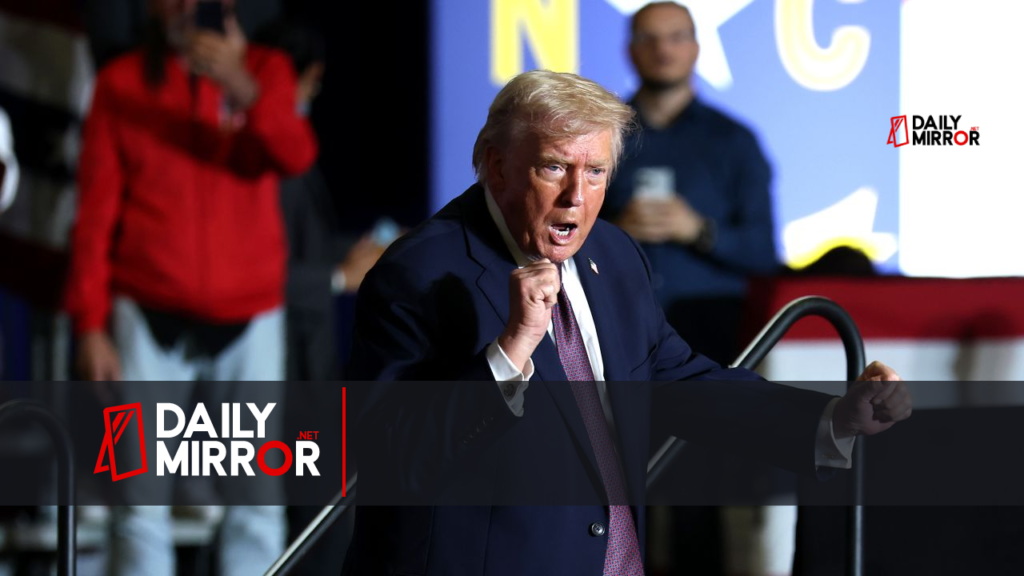
That mattered.
Voters who felt ignored by Washington elites saw Trump as one of the few figures willing to challenge the political establishment head-on. He spoke plainly, often bluntly, and rejected traditional diplomatic language. To many Americans, that felt refreshingly honest.
Key Disruptions Trump Introduced
- Rejection of scripted political speech
- Open attacks on career politicians
- A business-first approach to governance
- Emphasis on nationalism over globalism
This outsider narrative became one of Trump’s most powerful political weapons.
How Trump Transformed Political Communication
Social Media Became the Main Stage
Trump revolutionized political messaging by using social media—especially Twitter—as a direct communication tool. He bypassed journalists, press briefings, and official statements.
Instead, Trump spoke straight to the public.
This approach:
- Changed how politicians communicate
- Reduced the media’s gatekeeping power
- Made political messaging faster and more emotional
Today, nearly every major political figure uses social platforms aggressively. That shift traces directly back to Trump.
The End of Polite Political Language
Trump normalized:
- Nicknames for opponents
- Open criticism of institutions
- Emotional, unscripted language
Supporters saw this as authenticity. Critics saw it as chaos. Either way, political tone was permanently altered.
Trump and the Media: A Relationship Redefined
Conflict Became Strategy
Trump didn’t just clash with the media—he made it central to his brand. Calling outlets “fake news” was more than an insult; it was a strategy that reshaped public trust in journalism.
As a result:
- Media credibility became a political issue
- News consumption became more partisan
- Voters began choosing narratives over neutrality
This media polarization continues today, influencing elections, public debates, and civic trust
The Rise of Populism in America
America First as a Political Philosophy
Read more:Fox News Explained: Coverage, Influence, and Reach
Trump’s America First message marked a clear break from decades of bipartisan globalism. His focus on borders, trade protection, and domestic manufacturing resonated deeply with working-class voters.
Key policy themes included:
- Immigration control
- Trade renegotiations
- National sovereignty
- Economic nationalism
Trump didn’t invent populism, but he brought it into the White House.
How Trump Reshaped the Republican Party
A Party Transformed From Within
Before Trump, the Republican Party leaned toward traditional conservatism—free trade, limited government, and global alliances. After Trump, the party shifted dramatically.
New priorities emerged:
- Cultural identity politics
- Anti-establishment messaging
- Loyalty over ideology
- Grassroots energy over elite approval
Even politicians who oppose Trump now adopt parts of his style and messaging.
Trump’s Impact on Voter Behavior
Politics Became Personal
Trump energized millions of voters who previously felt disengaged. Turnout increased, political discussions intensified, and voting became more emotional than ever.
Changes in voter behavior include:
- Stronger political identity
- Increased polarization
- Rise of single-issue voters
- Greater distrust in institutions
Whether motivating supporters or opponents, Trump made people care—and act.
Redefining Presidential Power
Testing the Limits of the Office
Trump approached the presidency like a CEO, not a politician. He challenged bureaucratic norms, questioned intelligence agencies, and pushed executive authority aggressively.
This led to:
- Expanded debate over executive power
- Increased use of executive orders
- Legal challenges redefining presidential limits
Future presidents now operate in a landscape shaped by Trump-era precedents.
Trump and Political Loyalty
A New Kind of Political Movement
Trump didn’t just build a voter base; he built a movement. Loyalty to Trump often outweighed loyalty to party or policy.
This phenomenon changed:
- Primary elections
- Party leadership dynamics
- Candidate selection strategies
Political loyalty became emotional, not just ideological.
Cultural Impact Beyond Politics
Trump as a Cultural Figure
Trump influenced:
- Late-night comedy
- Social discourse
- Corporate branding
- Protest movements
His presence blurred the line between politics and entertainment, making political engagement unavoidable in daily life.
Long-Term Effects on Democracy
The Good, the Bad, and the Permanent
Trump’s legacy is complex.
Positive changes:
- Increased civic engagement
- Greater political awareness
- Challenging entrenched elites
Negative consequences:
- Deep polarization
- Erosion of institutional trust
- Heightened political hostility
Yet one thing is clear: American democracy will never return to its pre-Trump form.
How Trump Changed Campaigning Forever
Winning Without Traditional Playbooks
Trump proved that:
- Social media can replace massive ad budgets
- Personality can outweigh policy
- Media attention is more valuable than endorsements
Future candidates now study Trump’s methods, even if they reject his ideology.
Trump’s Global Influence
American Politics Went Global
Trump’s presidency influenced:
- European populist movements
- Global nationalist rhetoric
- International trade negotiations
World leaders adjusted their strategies, recognizing that American politics had entered a new era.
Why Trump Still Dominates the Conversation
Even out of office, Trump remains:
- A fundraising powerhouse
- A media magnet
- A kingmaker within his party
His ability to shape headlines proves his lasting grip on political discourse.
Conclusion: A Political Earthquake That Still Echoes
Trump didn’t simply serve as president—he rewrote the political rulebook. From communication styles to voter engagement, from party identity to media dynamics, Trump altered American politics at every level.
Supporters see him as a truth-teller who challenged corruption. Critics view him as a destabilizing force. Both sides agree on one thing: Trump changed modern American politics forever.
His influence will shape elections, leadership styles, and public debate for decades to come.
Now it’s your turn.
How do you think Trump’s legacy will define the next generation of American leaders? Share your thoughts, join the conversation, and keep questioning the system—because politics, after Trump, will never be the same.