Art
Quebec Flag History, Meaning, Design and Fascinating Facts

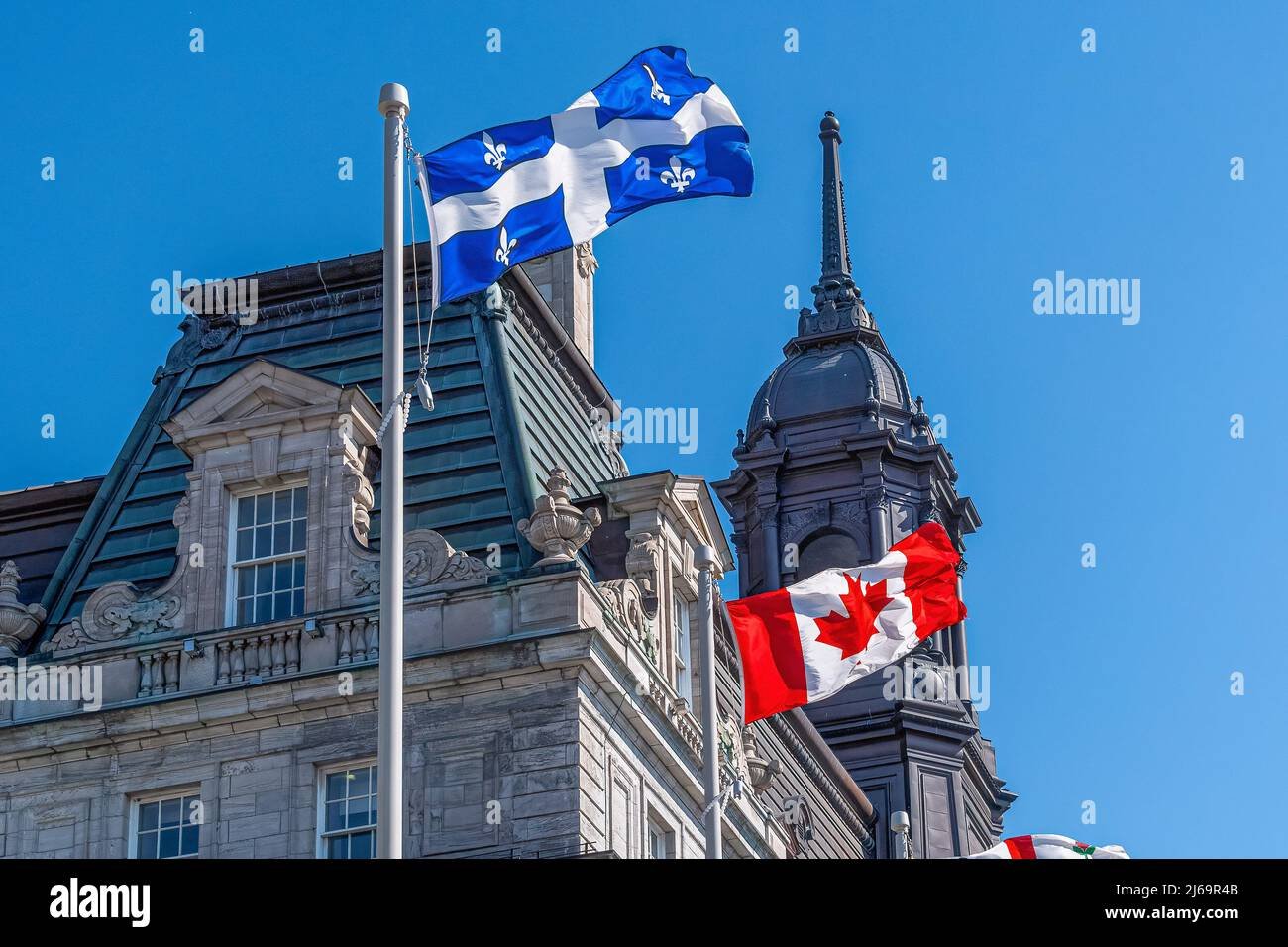
The Quebec flag is one of the most recognizable provincial flags in Canada. Known as the Fleurdelisé, it features a white cross dividing a blue field, with four white fleurs-de-lis placed in each section. The design is closely associated with Quebec’s history, French heritage, culture, and identity.
For travelers, students, history enthusiasts, and anyone interested in Canadian symbols, understanding the Quebec flag provides a useful introduction to the province’s unique cultural background. But what do its colors and symbols actually represent, and when was the flag officially adopted?
This guide explores the history, design, symbolism, and significance of Quebec’s provincial flag.
What Does the Quebec Flag Look Like?
The Quebec flag has a simple but distinctive design.
Its main features include:
- A deep blue background
- A white cross extending vertically and horizontally
- Four white fleurs-de-lis
- One fleur-de-lis positioned in each blue section
The symmetrical design makes the flag easy to recognize from a distance and gives it a strong visual connection to traditional French heraldry.
History of the Quebec Flag
Adoption of the Fleurdelisé
Quebec officially adopted its current provincial flag on January 21, 1948. The decision took place under the government of Premier Maurice Duplessis.
Before the current design was adopted, Quebec did not have an official provincial flag representing its distinct identity. The Fleurdelisé was introduced as a symbol that reflected Quebec’s French-Canadian heritage and cultural traditions.
January 21 is now recognized as Quebec Flag Day, an occasion that celebrates the provincial symbol.
Why Was the Flag Created?
The development of a distinct was connected to a desire for a provincial symbol that represented Quebec’s history and identity.
The Fleurdelisé combined elements associated with French heritage while using a design that was distinct from the flag of France. Over time, it became an important visual representation of Quebec.
What Does the Quebec Flag Represent?
The meaning of the flag can be understood through its major design elements.
The Blue Background
The blue field is one of the most noticeable features of the Fleurdelisé. Blue has traditionally been associated with French and French-Canadian symbolism and contributes to the flag’s connection with Quebec’s cultural heritage.

The White Cross
The white cross divides the flag into four sections. Cross designs have appeared in European heraldry and historical flags, and its use contributes to the traditional appearance of the Fleurdelisé.
The Fleur-de-Lis
The four white fleurs-de-lis are perhaps the flag’s most recognizable symbols. The fleur-de-lis has a long association with French history and was historically connected with the French monarchy.
On the
the fleur-de-lis helps emphasize the province’s historical and cultural links to France and French-speaking North America.
Why Is the Quebec Flag Important?
The Fleurdelisé represents more than a provincial government symbol. It is closely connected with Quebec’s cultural and historical identity.
The flag can be seen at:
- Government buildings
- Schools and public institutions
- Cultural celebrations
- Historical events
- Community gatherings
- Quebec Flag Day events
It is also commonly used by as an expression of regional pride.
Quebec Flag vs. Canadian Flag
The Quebec flag and Canadian flag represent different levels of government and identity.
| Feature | Quebec Flag | Canadian Flag |
|---|---|---|
| Official role | Provincial symbol | National symbol |
| Main colors | Blue and white | Red and white |
| Major symbol | Fleur-de-lis and cross | Maple leaf |
| Associated identity | Quebec | Canada |
| Official adoption | 1948 | 1965 |
While both are important Canadian symbols, their visual language and historical meanings are quite different.
When Is Quebec Flag Day?
Quebec Flag Day is celebrated on January 21 each year.
The date commemorates the official adoption of the Fleurdelisé in 1948. It provides an opportunity to recognize history, culture, and identity.
Schools, public organizations, and communities may use the occasion to discuss the province’s heritage and the importance of its flag.
Interesting Facts About the Quebec Flag
Here are several useful facts about the Fleurdelisé:
- The flag was officially adopted in 1948.
- Its official French name is Fleurdelisé.
- It contains four fleurs-de-lis.
- A white cross divides its blue background.
- flag Day takes place on January 21.
- The fleur-de-lis connects the design with French historical traditions.
- The flag is one of the most recognizable symbols associated with Quebec.
What Makes the Fleurdelisé Unique?
The is particularly distinctive because it combines several traditional symbols into a relatively simple design.
Unlike Canada’s national flag, which centers on a maple leaf, the Fleurdelisé emphasizes s French cultural heritage. Its blue-and-white color scheme and four fleurs-de-lis create a design that is immediately associated with the province.
Its simplicity has also helped make it effective as a symbol on buildings, signs, clothing, souvenirs, and cultural materials.
Frequently Asked Questions
What is the Quebec flag called?
The is commonly known as the Fleurdelisé, a name referring to its fleurs-de-lis.
When was the Quebec flag adopted?
The current flag was officially adopted on January 21, 1948.
What do the fleurs-de-lis on the Quebec flag mean?
The fleurs-de-lis are historically associated with France and represent an important connection to Quebec’s French cultural and historical heritage.
Why does the Quebec flag have a cross?
The white cross divides the blue field into four sections and contributes to the traditional French and European heraldic character.
What colors are on the Quebec flag?
The Quebec flag primarily uses blue and white.
When is Quebec Flag Day?
Quebec Flag Day is observed annually on January 21, marking the adoption of the Fleurdelisé in 1948.
Conclusion
The Quebec flag is a powerful symbol of the province’s history, culture, and French heritage. Its blue background, white cross, and four fleurs-de-lis create a design that is both traditional and instantly recognizable.
Since its adoption in 1948, the Fleurdelisé has become an enduring part of Quebec’s public and cultural identity. Learning about its design and history offers a simple way to better understand the distinctive character of Quebec within Canada.