LifeStyle
Machu Picchu Photos Stunning Views, Best Angles & Photography Tips

Machu Picchu is one of the world’s most recognizable archaeological sites, known for its dramatic mountain scenery, ancient stonework, and breathtaking views. For travelers, photographers, and anyone planning a virtual trip to Peru, Machu Picchu photos offer a way to appreciate the site’s architecture and natural surroundings before experiencing it in person.
From classic panoramic views of the ruins to close-up details of Inca stonework and surrounding peaks, there are countless ways to capture this historic destination. This guide explores the best views to look for, useful photography ideas, and what makes Machu Picchu such a visually memorable place.
Why Machu Picchu Is So Photogenic
Machu Picchu combines several elements that make photography especially rewarding:
- Ancient Inca architecture
- Dramatic green mountain landscapes
- Steep terraces and stone walls
- Changing light throughout the day
- Cloud-covered peaks and atmospheric scenery
- A distinctive combination of history and nature
The site’s location high in the Andes gives photographers opportunities to create both wide landscape compositions and detailed architectural shots.
Best Machu Picchu Photos to Look For
1. Classic Panoramic View
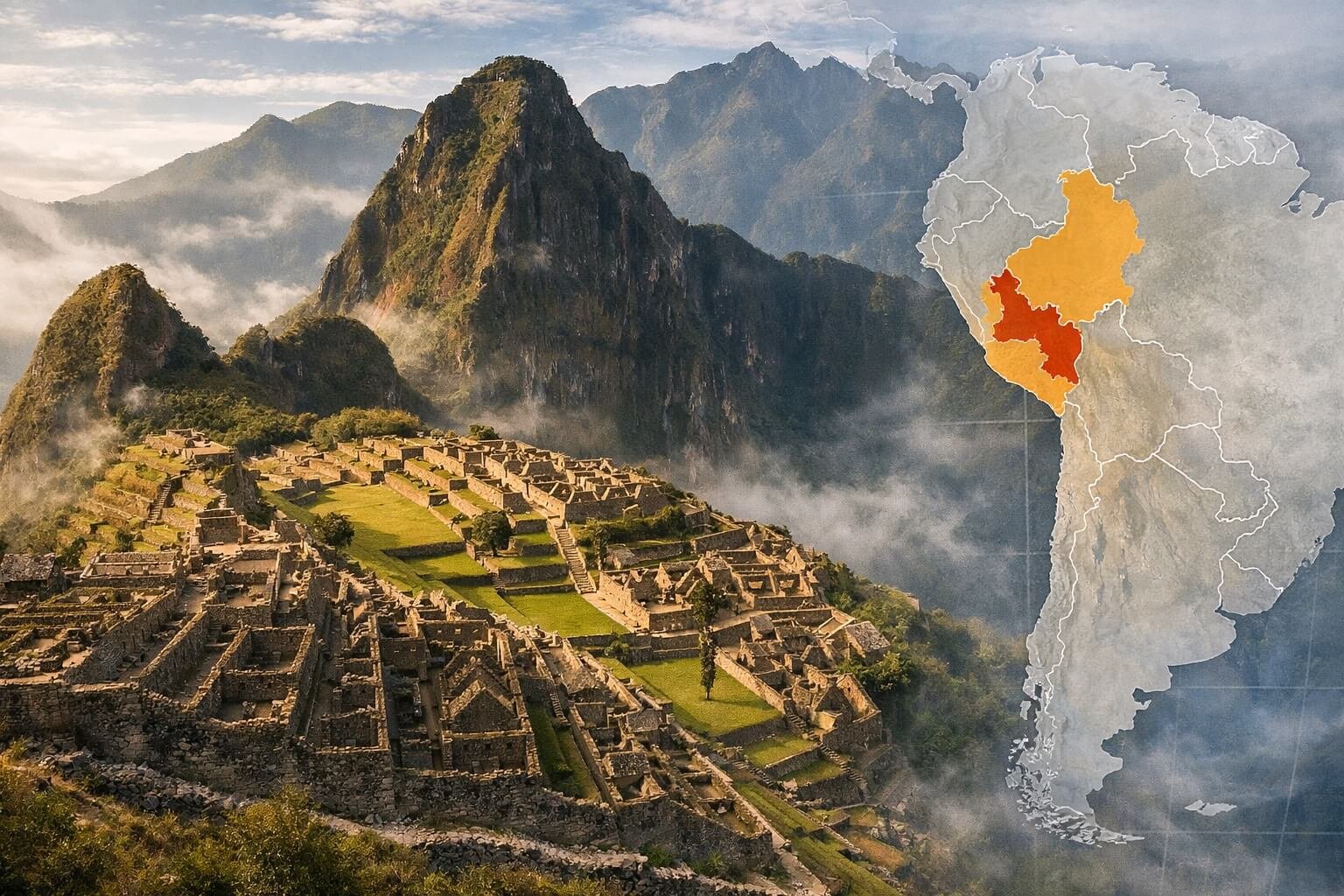
The most recognizable composition shows the ancient ruins with the surrounding mountains in the background. This type of image captures the scale of Machu Picchu and provides a strong sense of its dramatic setting.
A wide-angle composition can be particularly effective because it includes the terraces, buildings, and mountains in a single frame.
2. Huayna Picchu and Mountain Views
Huayna Picchu rises behind the archaeological complex and is one of the defining features of many Machu Picchu images.
Photographs that include the mountain behind the ruins can provide a sense of depth and help viewers understand the relationship between the site and its environment.

3. Inca Stonework
Not every great photograph needs to be a wide landscape. Close-up images of stone walls, doorways, terraces, and architectural details can reveal the craftsmanship of the Inca builders.
Try photographing:
- Precisely fitted stone walls
- Ancient doorways
- Terraces
- Stairways
- Windows and architectural openings
- Textures created by weathered stone
4. Lush Green Terraces
The agricultural terraces are another important visual feature. Their curved and layered shapes can create interesting patterns, especially when photographed from an elevated viewpoint.
Combining the terraces with mountains in the distance can produce a balanced landscape composition.
5. Atmospheric Mountain Photos
Clouds and mist can dramatically change the appearance of Machu Picchu photos Instead of seeing poor weather as a photography problem, photographers can sometimes use atmospheric conditions to create a more mysterious and dramatic image.
Best Photography Ideas for Machu Picchu
Good travel photography is not only about having an expensive camera. Composition, light, timing, and perspective often make a bigger difference.
Use Leading Lines
Terraces, stairways, walls, and pathways can naturally guide the viewer’s eyes through an image. Position these elements so they lead toward the ruins or mountains.
Include Foreground Details
Adding a foreground element can make a landscape photograph feel deeper. Stone walls, plants, terraces, or architectural features can help create multiple layers in the composition.
Photograph Different Perspectives
Instead of taking every image from the same position, try changing your perspective. Wide shots, medium compositions, and close-up architectural photographs can tell a more complete visual story.
Pay Attention to Light
Soft natural light can bring out details in stonework while reducing harsh shadows. Morning and later-day conditions may create a different mood from bright midday light.
What Makes Machu Picchu Photos Unique?
The appeal of these photographs comes from the contrast between human architecture and the natural landscape.
The ancient stone structures appear surrounded by steep mountains and dense vegetation. This combination creates images that feel both historical and cinematic without requiring artificial backgrounds or elaborate setups.
Another advantage is variety. The same location can look completely different depending on cloud cover, light, viewpoint, and composition.
Machu Picchu Photography Tips
If you are planning to photograph the site, keep these practical tips in mind:
- Plan your composition before taking the photograph. Look for interesting relationships between the ruins and mountains.
- Take both wide and close-up images. Wide shots show the landscape, while details capture the architecture.
- Avoid photographing everything from one angle. Different perspectives can make your collection much more interesting.
- Use natural light carefully. Strong sunlight can create very bright highlights and deep shadows.
- Keep your equipment simple. A modern smartphone can produce excellent travel photographs when used thoughtfully.
- Respect site rules. Follow visitor regulations and protect the archaeological environment.
- Focus on storytelling. Try to capture what makes the location memorable rather than simply taking as many photographs as possible.
Smartphone Tips for Better Machu Picchu Photos
You do not need professional photography equipment to create impressive travel images.
For smartphone photography:
- Clean the camera lens before shooting.
- Use the main camera rather than excessive digital zoom.
- Tap the screen to control focus and exposure.
- Use landscape orientation for panoramic scenery.
- Avoid placing the horizon awkwardly across the frame.
- Take several compositions of the same scene.
- Keep editing subtle and natural.
A smartphone can be particularly useful because it is lightweight and convenient during travel.
How to Find High-Quality Machu Picchu Photos Online
When searching for images online, consider what you need the photographs for. Travelers may want inspiration, while bloggers and website owners may need properly licensed images.
Before using a photograph on a website, always check its licensing terms. A photograph appearing in search results is not automatically free to download, modify, or publish.
For website content, look for images that clearly provide appropriate usage rights or use your own photography.
Frequently Asked Questions
What are the best Machu Picchu photos?
The most memorable images often combine the archaeological ruins with the surrounding mountains, terraces, and changing atmospheric conditions. Classic panoramic compositions are especially recognizable.
What is the most photographed view of Machu Picchu?
The broad view showing the ruins with Huayna Picchu or the surrounding mountains in the background is among the most recognizable compositions associated with the site.
Can I take photos at Machu Picchu?
Visitors can generally photograph the site, but photography must follow the rules and restrictions established for visitors. Always follow current site regulations during your visit.
Can I use Machu Picchu photos on my website?
Only if you have the necessary permission or the photograph is available under a license that permits your intended use. Always check the image’s licensing conditions before publishing it.
Can a phone take good Machu Picchu photos?
Yes. Modern smartphones can capture excellent landscape and architectural photographs. Good composition, clean lenses, suitable lighting, and thoughtful framing are often more important than expensive equipment.
What should I include in a Machu Picchu photo?
Consider including several visual elements, such as the ruins, terraces, mountains, stonework, and natural vegetation. Combining foreground, middle ground, and background can make the photograph more engaging.
Conclusion
Machu Picchu provides an extraordinary combination of ancient architecture and dramatic Andean scenery, making it an ideal subject for travel photography. Whether you are searching for inspiration, planning a trip, or creating a collection of travel images, the best Machu Picchu photos capture more than the ruins themselves—they show the relationship between the historic site and its spectacular natural surroundings.
With thoughtful composition, natural lighting, and respect for photography rules, even simple equipment can produce memorable images of this iconic destination.